Why Every Communications Student Should Watch Love Island USA Season 8
Every summer, Love Island USA turns a dating show into a national argument. The show gives viewers just enough access to feel invested, then lets the internet turn every cast reveal, recoupling, and conflict into a running debate about who deserves support, criticism, or consequences. From a public relations perspective, that audience behavior is the interesting part. Fan engagement is more than attention here; it becomes part of the show's reputation, contestant welfare, and decision-making pressure. As a communications student, I cannot stop watching how quickly entertainment turns into public judgment. That is what makes this a useful PR case study. The episode is only half the product; the public reaction is the rest.
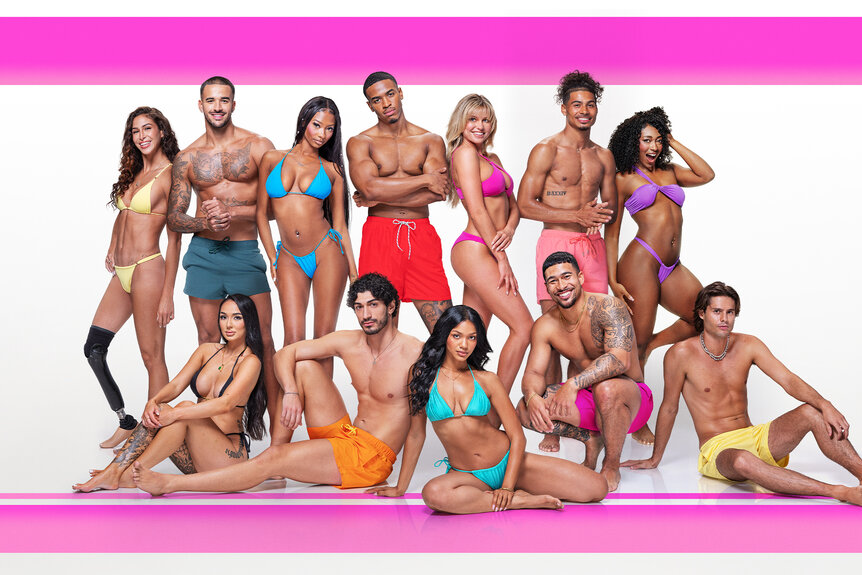
Peacock announced the first twelve Season 8 Islanders on May 28th, a few days before the June 2nd premiere. Usually this is the fun part: everyone picks a favorite, makes snap judgments off promo photos, and talks way too confidently about people who have said maybe four public sentences.
This year, the internet started criticizing the new cast almost immediately. Vasana Montgomery faced calls for removal after social media users circulated alleged old videos that appeared to show her using a racial slur. Kenzie Annis became the subject of posts about alleged Trump-related connections; TMZ reported that her family pushed back. Beatriz Hatz, a Paralympian and Paris 2024 bronze medalist, also became part of the conversation before viewers had seen how the show would present her.
That is a lot of public judgment for people we mostly know through a name, a job, and a swimsuit photo.
Season 7 gave the show every reason to see this coming. Yulissa Escobar left in Episode 2 after clips of her using racist language resurfaced online. Cierra Ortega left much later after old posts using a racial slur resurfaced; AP reported that her family received threats while she was still away from the outside world. Huda Mustafa also became a major target online, and fan voting showed how the app can shape the cast's emotional experience in ways that feel closer to punishment than harmless participation. That is the line Love Island has to manage: viewers can rationalize harassment in the name of accountability.
That history made the Season 8 Instagram statement feel pointed. The official Love Island USA account wrote that "the Villa runs on good vibes," said everyone deserves to feel safe and respected, and asked fans to keep the space fun, positive, and kind. It read like a community note from a brand that knows its fan culture can make the show trend and make the people on it miserable.
What Love Island Gets Right About PR
Love Island deserves credit for the PR it does well. This franchise is very good at attention. The show turns passive viewers into active participants, and a cast reveal becomes a social media event because fans get enough information to feel included and enough blank space to fill in.
The problem starts when the same machine that creates buzz starts creating targets.
The PR Problem: Engagement Becomes Risk
My PR read is that Love Island USA has an ethical engagement problem. The show depends on viewers who care enough to vote, post, argue, and keep the season alive between episodes.
That investment can turn into a campaign against a real person. A contestant inside the villa cannot explain context, correct a rumor, apologize in real time, or even know the version of themselves being built online. Their family may suddenly become the only available voice.
This is where "keep it kind" starts to feel too light. Love Island benefits from a fandom that investigates, votes, edits, and reacts quickly. The brand has to plan for the harm that speed can create.
From a PR angle, the show needs a clear way to sort different kinds of claims before the loudest posts set the standard. A credible allegation that someone used racist language belongs in a serious harm and values category. A claim about someone's high school politics, behavior in the villa, or old photo needs context before it becomes endless ridicule. Accountability should make the standard clearer, not create a new harm.
Season 7 already showed two different response timelines. Yulissa was gone almost immediately. Cierra had been in the villa longer and was part of the season's emotional structure by the time the backlash hit. That made the decision messier, but it also made the delay more damaging. Season 8 now has Vasana facing a similar pre-premiere allegation cycle, which means Peacock does not get to act surprised.
The Plan I Would Run
If I were on the comms team, I would treat this like issue management, not a "vibes" problem. Issue management is the proactive PR work of identifying, analyzing, and addressing emerging risks before they turn into full crises. That applies here because Love Island can already see the risk before the premiere: allegations, rumor cycles, harassment, and families being pulled into the mess.
The first step would be stakeholder mapping, which means naming every group affected and identifying what each group needs from the response. Islanders need safety, families need instructions, viewers need boundaries, production needs a decision process, and harmed communities need proof that credible allegations are taken seriously.
The public message would stay simple: Love Island USA welcomes debate, reviews credible allegations carefully, and draws a clear line at threats, doxxing, slurs, attacks on families, and identity-based harassment. Behind that message, I would build a crisis priority matrix so the team knows what needs review, support, or an immediate public line.
The PR Kit I Would Build
A crisis priority matrix is a decision guide that ranks problems by severity, urgency, affected stakeholders, and response owner. For Love Island, verified racist language would trigger same-day review with legal, casting, production, comms, and contestant welfare involved. Threats or doxxing would move immediately to platform reporting and family support. Rumor cycles would need verification before a screenshot becomes a public trial. Appearance-based or disability-related bullying would be handled through moderation, tone-setting, and more careful captions.
The matrix gives the team a calmer way to decide which viral posts need investigation, which ones need safety support, and which ones need a public response.
For Vasana, the team should verify the material, look at timing and pattern, decide whether she can remain, and communicate the standard without turning private review details into content.
For Kenzie, the strategy should be calmer. The PR questions are basic: Is the content real? How old is it? Is there a pattern? The show should verify the claims before vague screenshots start acting like the casting process.
The plan also has to deal with off-platform bullying. Love Island can monitor the biggest narratives, correct false claims, report threats, and support the person being targeted before the damage peaks.
The edit needs a plan too. Official clips and captions should show conflict without turning one person into the season's punching bag.
What I Would Watch Next
I would watch whether Peacock or Love Island USA says anything more specific before June 2nd, especially around how it separates credible allegations from harassment. I would also watch how Vasana and Kenzie are handled once the show starts, because silence could let fan accounts keep setting the frame. For Beatriz, the goal should be representation that honors what makes her distinct without turning her disability into her whole storyline.
What This Teaches PR Students
The lesson I am taking from this case is that engagement has an ethical cost. Love Island USA is very good at turning viewers into participants.
Once real people's reputations are involved, participation needs more care than a comment section free-for-all. Viewers can call out racism, question production, and criticize behavior without turning the response into threats or dehumanizing pile-ons.
My current PR call is that Season 8 needs to be treated as a contestant-protection case now. I would build guardrails around the chaos before the chaos decides the rules.
The Part I Might Be Getting Wrong
Practice Makes PRfect only works if I come back and judge my own read after the story moves.
I might be underestimating how much messy discourse drives the show's success. Fan wars, overreactions, voting campaigns, and moral debates are part of why Love Island travels so far beyond Peacock.
I might also be giving PR too much credit. A brand can moderate its own pages, support families, and respond to credible allegations. It cannot follow every fan account around the internet.
The other thing I need to keep checking is whether "contestant protection" ever becomes a way to dodge accountability. If someone caused real harm, a kindness message cannot be the whole answer. The stronger standard is harder: take harm seriously, investigate fairly, communicate clearly, and refuse the pile-on.
That is the standard I am going to bring back to this case as Season 8 unfolds: whether Love Island can turn massive public attention into something more responsible than a pile-on, and whether the show can protect the people who make the drama possible while still answering for the harm that audience sees.